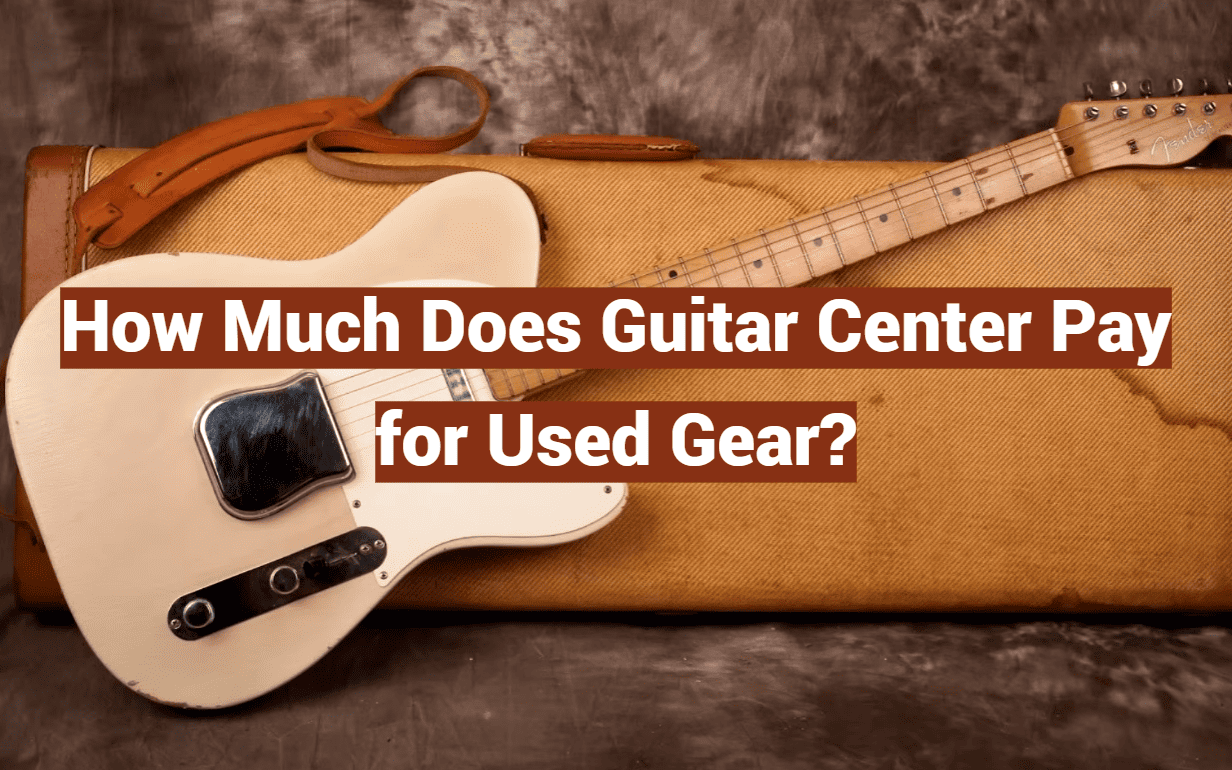
Every year, musicians trade in over a million pieces of equipment at Guitar Center locations. This activity fuels a massive secondary market for musical instruments.
As a major retail dealer, this store provides a popular avenue for players to convert their gear into quick cash. Many people explore this option when they want to sell their instruments without the hassle of online listings.
The trade-in process at a local store is designed for convenience. You can often walk out with an offer the same day, avoiding months of waiting for a private sale.
Whether it’s a vintage amplifier, a couple of pedals, or a modern guitar, each item gets evaluated. The dealer looks at the model, its condition, and current retail prices to determine its value.
This method is a great way to clear out unused stuff and get a discount on a new purchase. Understanding how the appraisal works is the key to getting a solid deal.
Key Takeaways
- Guitar Center operates a nationwide trade-in program for quick cash or store credit.
- Your gear’s value is based on its condition, model, and current market demand.
- Trading in is often faster and easier than selling items yourself online.
- You can apply your trade-in value toward a new purchase for an instant discount.
- The store accepts a wide variety of instruments, amplifiers, and effects pedals.
- An in-person appraisal at the store provides the most accurate offer.
- Knowing what affects price helps you maximize your profit from the sale.
Overview of Guitar Center’s Used Gear Trade-In Program
The trade-in program at Guitar Center offers a direct path to upgrade your music gear. It transforms your unused equipment into immediate cash or credit. This system is built for convenience at every retail store.
Program Benefits for Sellers
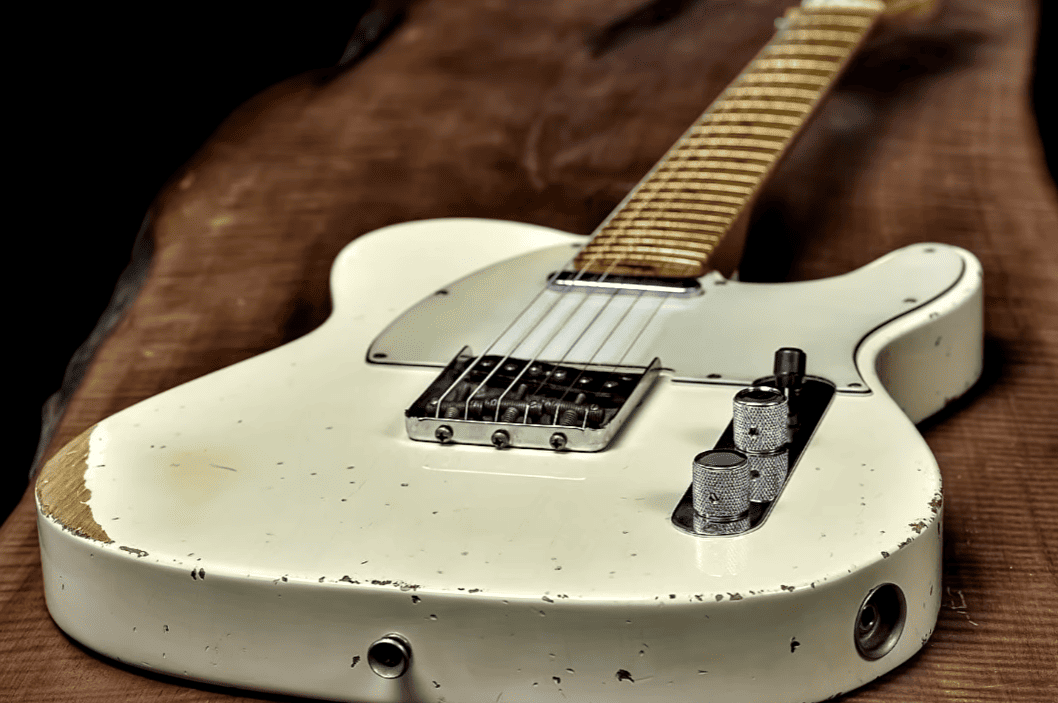
Choosing this route saves you significant time. You avoid the long wait of a private sale. An in-person appraisal gives you a fair offer on the spot.
The dealer reviews your items, from guitars to amps. They consider the model, condition, and current market prices. You can then apply that value toward a brand new purchase for an instant discount.
Guitar Center’s Commitment to Customer Safety
Your health is a top priority. Each location follows strict CDC guidance. Enhanced cleaning and social distancing are standard practice.
These measures ensure every store visit is comfortable and secure. You can focus on your deal, whether trading a vintage piece or a couple of pedals. It’s a safe, efficient way to handle your gear sales.
Understanding the Trade-In Process at Guitar Center
Walking into a store with your equipment starts a straightforward evaluation to unlock its cash value. This system is built for clarity, giving you a quick answer on your items.
The Evaluation and Appraisal Steps
A staff member conducts a hands-on review of your gear. They check every detail to determine its current market worth and overall condition.
The process is fully transparent. You will never feel rushed to accept a deal. The goal is a fair sales price that works for everyone.
Several key factors shape the final offer:
- The specific model and its age
- The physical and functional condition
- Current retail prices and demand
This in-person appraisal saves you months of waiting for a private buyer. You walk out with a firm offer the same day.
That immediate value can be applied toward a new purchase. It’s a fast way to turn old stuff into your next great piece of music gear.
how much does guitar center pay for used gear
A clear benchmark exists for what the dealer will pay for your used items. Typically, you can expect about 60% of the current market value. This figure is based on comparable sales on popular platforms like Reverb.
Many people choose this route because it saves time. You avoid the hassle of private sales, shipping costs, and months of waiting. Walking out with cash the same day is a major advantage.
The store ensures consistent pricing. You will never receive a surprise low-ball offer. Their standardized process across all locations guarantees fair retail prices.
Whether you bring in a car full of stuff or just a couple of pedals, each item gets evaluated. This total trade value can then be applied as a discount on a new purchase. It’s a seamless way to upgrade your music gear.
Over the years, this model has proven efficient for musicians. Understanding these prices helps you make an informed decision. You can maximize your profit and move on to your next great deal.
What Gear Can You Sell or Trade In at Guitar Center?
Understanding the accepted items list can turn a potential hassle into a smooth transaction. This knowledge saves you time and ensures your day at the store is productive.
Most common music equipment is welcome. The dealer focuses on items with solid resale value in the current market.
Eligible Instruments and Equipment
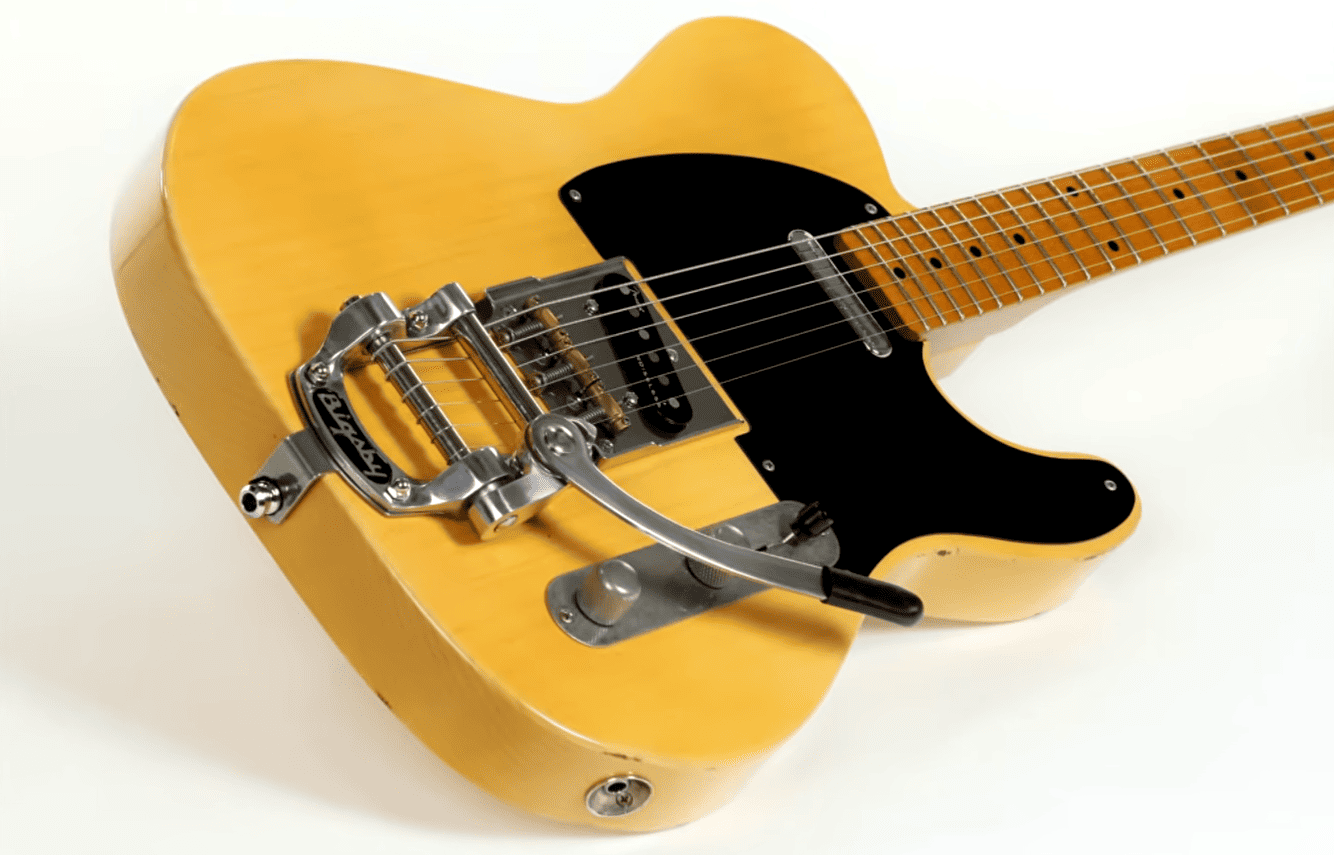
You can bring a wide range of gear for appraisal. This includes electric and acoustic guitars, bass guitars, drum kits, and amplifiers.
Effects pedals, synthesizers, and recording hardware are also accepted. Even a couple of pedals or a vintage amp can qualify for the trade process.
Over the years, the list of accepted stuff gets updated. This ensures the store can provide the best possible value for your music items.
Excluded Items and Manufacturer Limitations
Some things are not part of the program. The store does not accept acoustic pianos, basic instrument cables, or custom-built snake cables.
Also, note specific brand limitations for discount offers on new purchases. Manufacturers like Fender, Gibson, and Yamaha are often excluded from these promotional deals.
Always check the store’s official policy online before you visit. This simple step helps you avoid any surprise and secure a good deal for your eligible gear.
Tips for Maximizing Your Trade-In Value
Maximizing your trade-in profit starts with how you present your gear to the dealer. A little preparation goes a long way toward securing a strong offer. This effort shows you care about your music and respect the appraisal process.
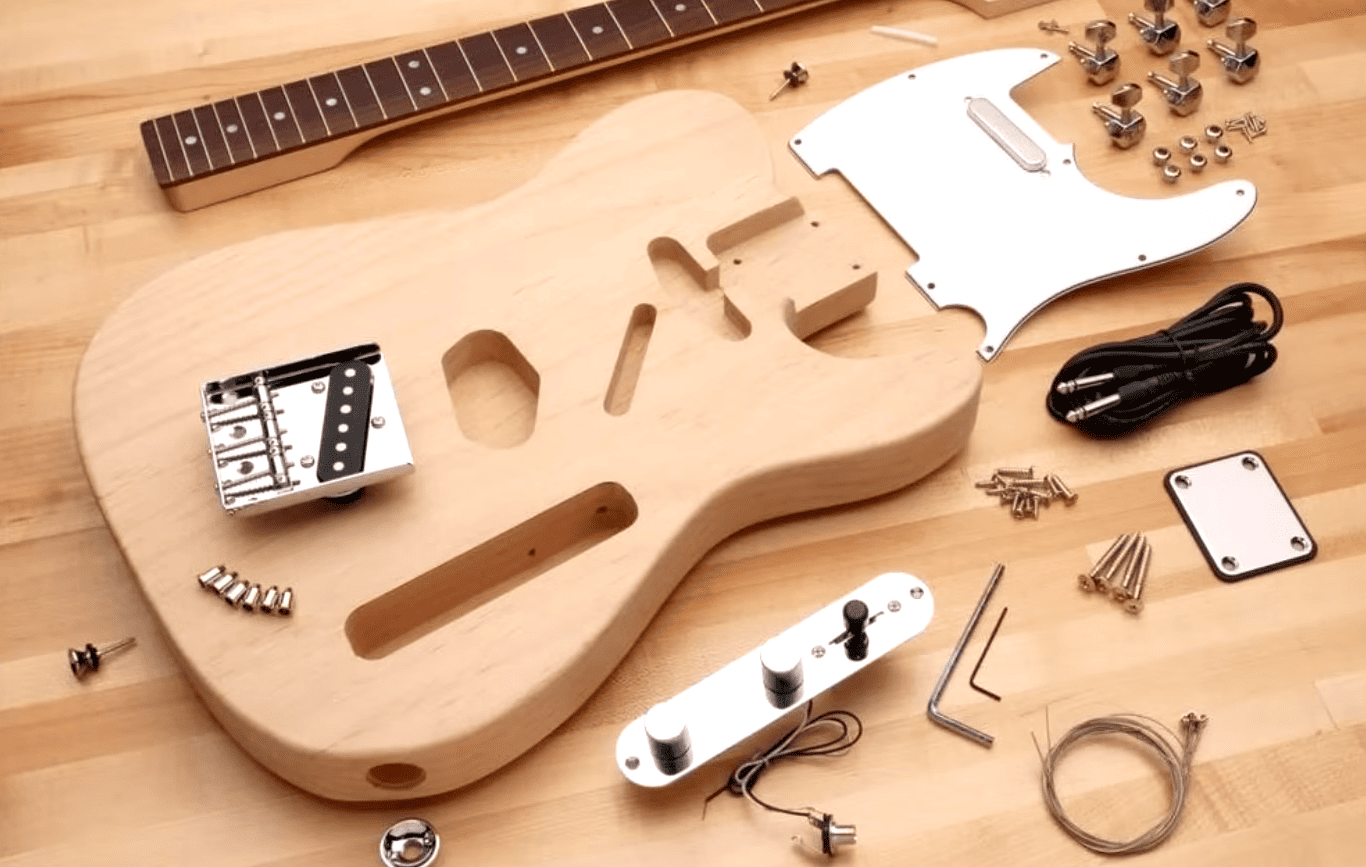
People who take this time often see better prices for their items. The dealer can quickly assess a well-maintained piece, leading to a smoother sale.
Preparing Your Gear for Appraisal
First, clean your instruments thoroughly. Wipe down guitars, amps, and pedals to remove dust and grime. Check that every thing functions correctly, from knobs to jacks.
Organize your stuff if you bring a car full of equipment. This makes the inspection efficient for the store staff. Remember, the model and its physical condition are the biggest factors in value.
You will never regret spending this extra time. It directly influences the final deal and your potential profit. A polished presentation signals the item is ready for immediate retail sale.
| Preparation Step | Benefit | Estimated Value Impact |
|---|---|---|
| Clean thoroughly | Shows care and maintenance, improves first impression. | Can increase offer by 5-10%. |
| Check all functionality | Proves the item is in working order, reduces dealer risk. | Essential for receiving any offer. |
| Organize multiple items | Speeds up the appraisal, makes the process easier. | Leads to a more favorable overall assessment. |
| Bring original cases & accessories | Adds completeness, enhances perceived value. | Can add a small premium to the price. |
Following these steps helps you avoid the hassle of lowball offers. It turns your trade into a smart move for funding your next music purchase. The profit gained can help you afford that high-end piece you’ve wanted for months.
How Trade-In Cash Offers Compare to Market Sales
Many musicians face a common dilemma when it’s time to part with their gear. You must choose between the convenience of a store trade and the potential for higher profit from a private sale. This decision impacts your wallet and your schedule.
Retail trade-in offers are often benchmarked against popular online marketplaces. For example, a store typically provides about 60% of an item’s current market value, similar to prices seen on Reverb. This immediate cash is a huge benefit if you need funds quickly.
Comparing with Online Marketplaces like Reverb
Selling online might fetch a higher final price. However, you assume all the work and risk. The process involves creating listings, managing inquiries, and handling shipping.
You also face platform fees and the chance of a buyer backing out. It can take months to complete a sale. The trade process at a physical store eliminates this hassle.
You walk out with value for your items the same day. This speed is perfect for people upgrading their music setup. Trading in also provides a smooth path to a discount on a new purchase.
| Factor | Trade-In at Store | Online Marketplace Sale |
|---|---|---|
| Speed to Cash | Immediate (Same Day) | Weeks to Months |
| Estimated Final Profit | Lower, but Guaranteed | Potentially Higher |
| Hassle Level | Very Low | High (Photos, Listings, Shipping) |
| Risk | None (Dealer Handles Everything) | Buyer Disputes, Non-Payment |
| Best For | Quick Upgrades & Convenience | Maximizing Cash, Rare/Vintage Items |
Over the years, players have realized the store’s convenience often outweighs extra cash. If you have a couple of pedals or a vintage guitar, the dealer evaluates them against current retail prices. You get a fair deal without the time-consuming sales process.
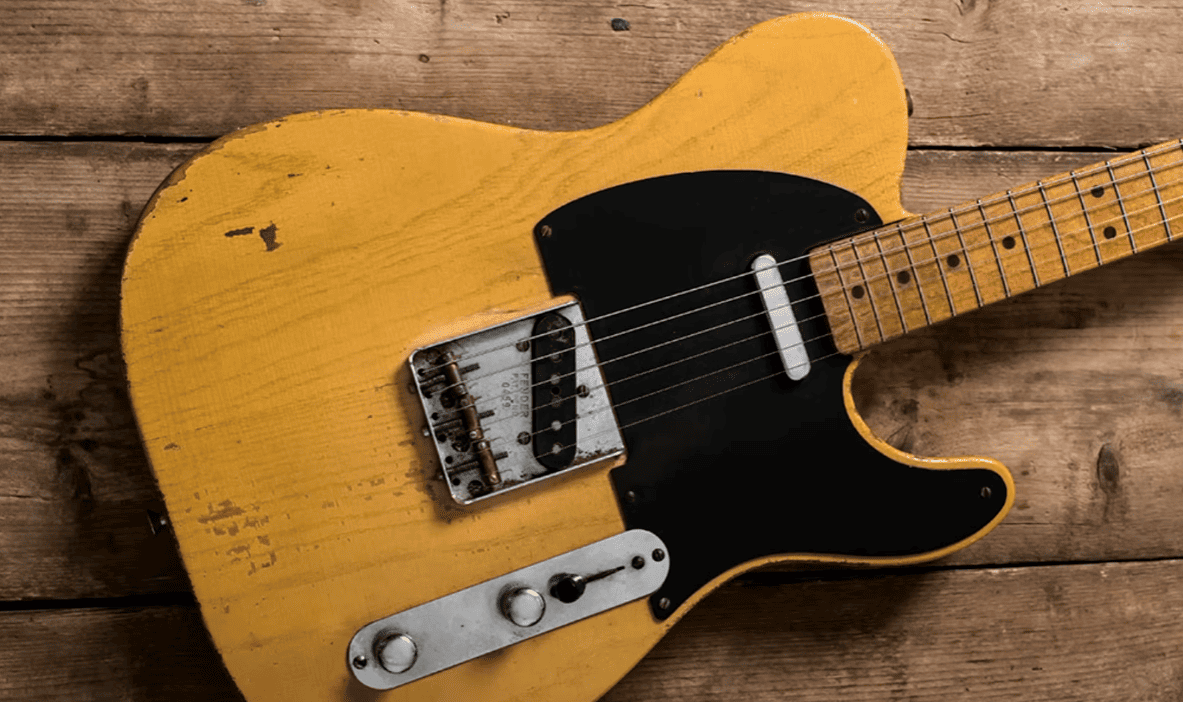
Ultimately, your choice depends on what you value more: your time or the additional profit. Both paths offer valid ways to move your music equipment forward.
Navigating Discount Offers and New Purchase Incentives
Savvy musicians know that timing your gear exchange with store incentives can dramatically increase your savings. This approach turns a simple transaction into a strategic upgrade for your entire setup.
Special promotions make the entire process more rewarding. You get immediate value for your used equipment plus extra benefits toward future buys.
Leveraging the 10% Discount for New Products
Many locations offer a 10% discount on new purchases when you trade in your old music gear. This incentive stacks with your trade value for significant savings.
People find this deal makes trading at the store much more attractive than private sales. You avoid the hassle of online listings and buyer negotiations.
The process is straightforward. Bring in your items for appraisal, then apply both the trade value and the discount toward your next purchase.
Over the years, this has helped countless musicians upgrade their guitars, amps, and pedals. You save money without waiting months for a private sale.
Your dealer wants to help you get the best value. They often combine trade-in profit with these special discount offers for maximum benefit.
Remember to ask staff about current promotions during your visit. They can help you maximize savings on your next music purchase.
Customer Experiences and Success Stories
Hearing from other musicians can build confidence before you walk into a store with your equipment. Real-world accounts show the trade-in process is straightforward and fair. Many people share their positive outcomes online and in person.
These stories highlight the practical benefits of converting old gear into immediate value. You can learn what to expect and feel prepared for your own appraisal. This social proof turns a simple transaction into a trusted community practice.
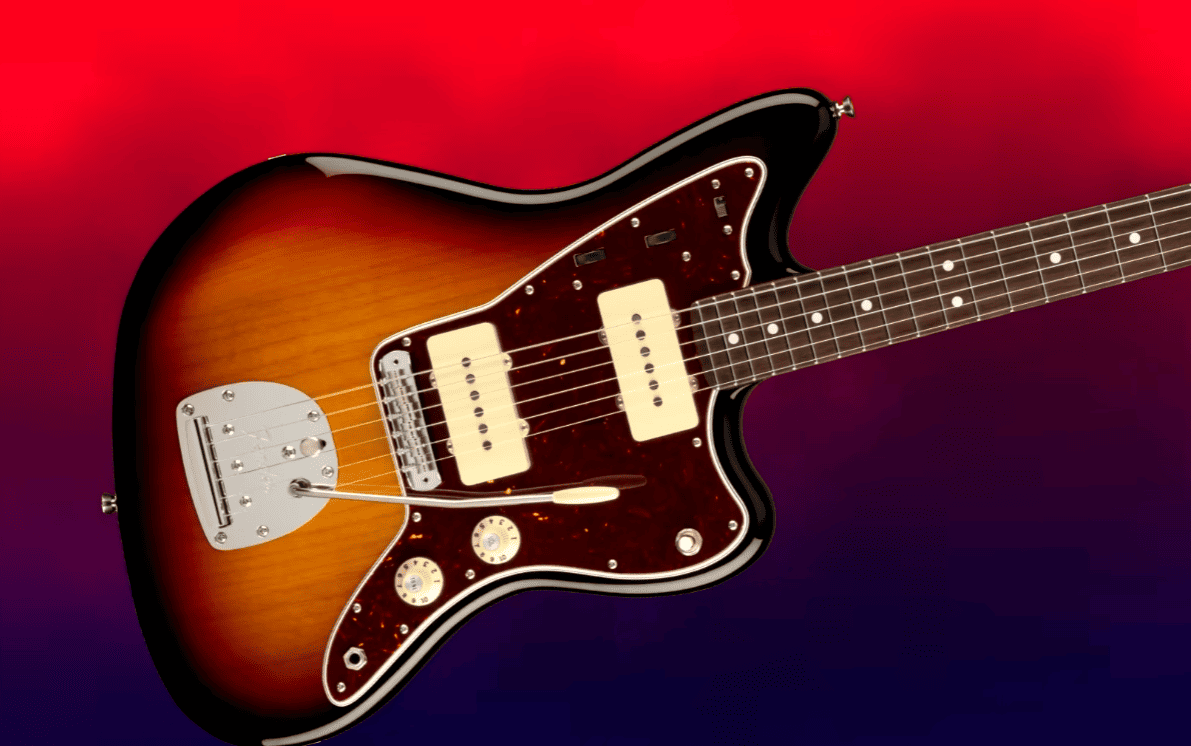
Real Life Trade-In Examples
One player noted they have never had a bad experience bringing in pedals, amps, and guitars. The dealer provided a consistent and fair retail price for each item. This saved them the hassle of waiting months for a private sale to finalize.
Another common success involves using the trade value for a discount on a new purchase. Customers often apply their profit toward high-end gear they’ve wanted for years. This strategic move upgrades their entire music setup in a single day.
If you have a couple of items, staff will evaluate each piece thoroughly. They consider the model, condition, and current market demand. You receive a transparent offer that reflects true value without any pressure.
Over the years, these positive experiences have encouraged more musicians to choose trading over online sales. The convenience and reliability of the store make it a preferred option. Whether you’re a beginner or a pro, the environment is welcoming for all your gear needs today.
Trading Vintage Guitars and Rare Gear
When you bring a classic Fender or Gibson into the store, you’re not just trading an item. You’re offering a slice of rock ‘n’ roll history. This type of transaction requires a specialized approach.
The appraisal process for rare instruments is more detailed. Dealers examine every aspect to determine true market value. They consider the model’s provenance, its condition, and current collector demand.
Assessing the Value of Vintage Items
Prices for iconic pieces can be astonishing. For example, a 1954 Fender Stratocaster might list for over $134,000. A 1963 Gibson ES-335 could command nearly $12,000.
These figures show why a professional opinion is crucial. If you own such valuable gear, visiting a local store is the best first step. The staff provides a clear assessment of your item’s current retail worth.
The dealer has years of experience with rare equipment. This ensures you receive a fair deal for your prized music collection. You will never face the hassle of shipping delicate vintage items yourself.
Trading in your rare stuff is a strategic move. The profit from a successful sale can be substantial. You can apply this value as a discount on a brand new purchase.
This lets you upgrade your studio or stage setup immediately. It’s a seamless way to invest in equipment that meets your modern needs. The entire trade process is handled with care for your musical heritage.
Evaluating the Impact of Gear Condition and Model
Two factors outweigh all others during a trade-in appraisal. These are how well you’ve kept your items and what exact model they are. The dealer uses these details to set a fair retail price.
This consistent system ensures you get a transparent offer. Your potential profit is directly tied to these elements.
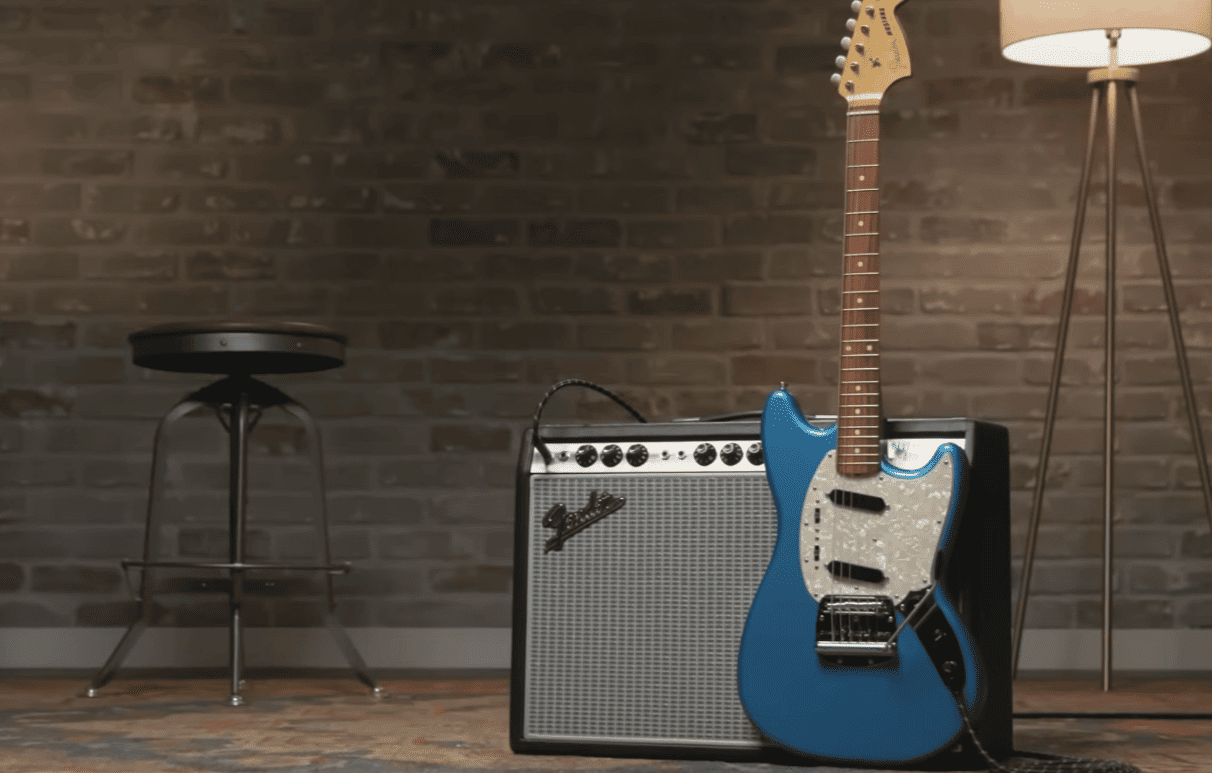
Understanding Condition Factors
The physical state of your equipment is inspected first. Staff check for wear, scratches, and full functionality.
Items receive a grade like Good, Great, or Excellent. A higher rating always means a better final value for your sale.
| Condition Grade | Description | Typical Value Impact |
|---|---|---|
| Good | Works perfectly but shows clear signs of use. | Base market rate. |
| Great | Minor cosmetic flaws, performs like new. | 10-15% above Good. |
| Excellent | Near-mint, often with original case and parts. | 20-30% above Good. |
The specific model also plays a huge role. Popular or rare versions command more attention.
Understanding this grading process helps you predict your offer. You can prepare your gear to achieve the best possible condition rating. This knowledge turns the entire experience into a straightforward and positive deal.
Managing Shipping, Handling, and In-Store Pickups
Getting your gear from point A to point B doesn’t have to be a complicated ordeal. Modern retail provides several convenient paths to complete your transaction smoothly.
You can bring your items directly to the store for an immediate appraisal and deal. Alternatively, start the process online to get a preliminary quote before you visit. For ultimate convenience, many locations offer contactless curbside pickup.
This service is a fantastic way to avoid the hassle of entering a busy shop. You save valuable time and can collect your new purchase the same day. Over the years, these flexible options have become a standard part of the customer experience.
Your safety and the security of your music equipment are always a priority. The dealer follows strict protocols for handling all traded items. You will never have to worry about the condition of your gear during the exchange.
This logistical flexibility makes it easier to turn your trade into a discount on a brand new purchase. Whether you have a couple of guitars or a single vintage amp, the process adapts to you. It lets you focus on the profit and the excitement of your next musical chapter.
Exploring Online, In-Store, and Hybrid Purchase Options
A hybrid approach to retail gives you control over how you handle your musical transactions. You can mix digital convenience with in-person service to fit your schedule.
Start by calling the dedicated line at 866-498-7882. It operates from 5:00 a.m. to 8:00 p.m. PDT on weekdays. You can discuss your gear and get initial advice without leaving home.
For written queries, email [email protected]. This channel provides quick assistance for the trade process. It saves time and avoids the potential hassle of an immediate store visit.
Using the Guitar Center Website and App
The official website and mobile app are powerful tools for any musician. You can browse a vast inventory of items, from guitars to amps. Checking current retail prices for every model is simple and fast.
If you have a couple of things to trade, use the app to get a preliminary value estimate. This step prepares you for a more accurate in-store appraisal. Over the years, these digital resources have become essential for smart shoppers.
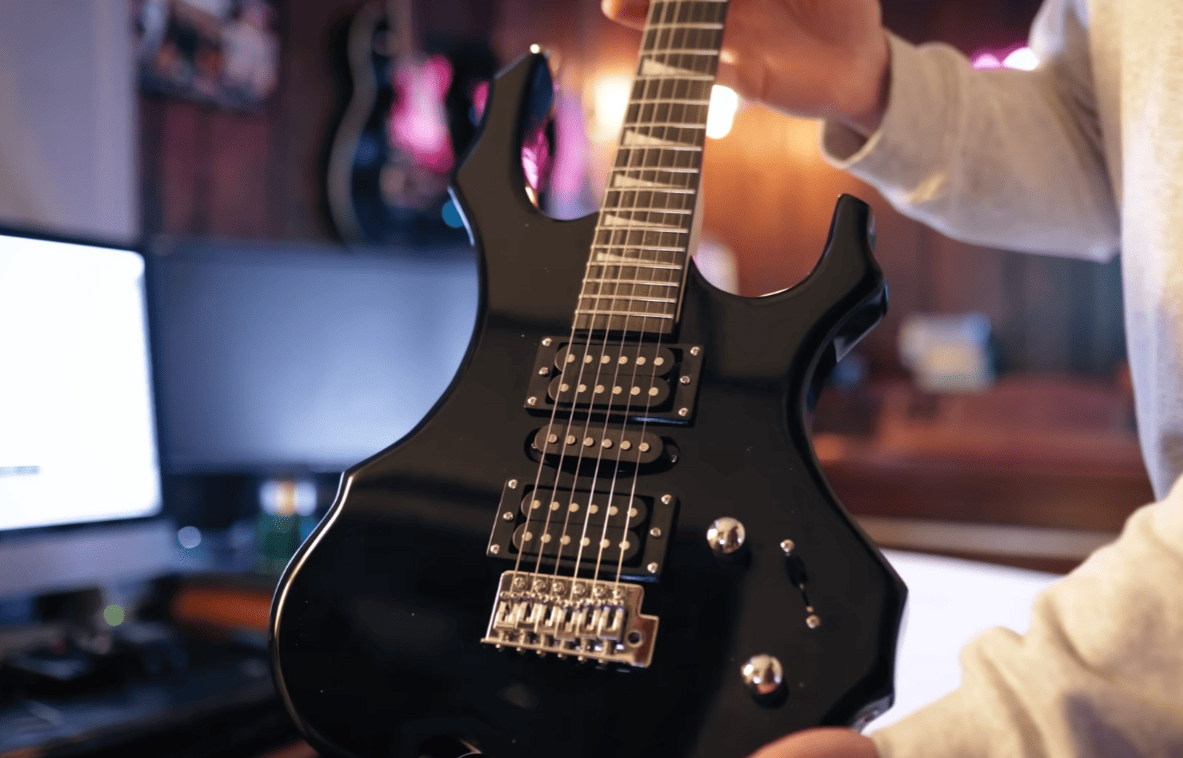
Contactless Curbside Pickup Benefits
Contactless curbside pickup is a fantastic modern convenience. You complete your purchase or trade online or by phone. Then, you collect your new gear at the store without entering the building.
This service saves valuable time on busy days. It also provides a secure and efficient way to finalize your deal. You get the items you want while maintaining your personal comfort.
By using these hybrid options, you manage your music collection and finances with ease. The dealer supports you through multiple channels to ensure a successful purchase. This flexibility turns every transaction into a smooth and empowering experience.
Insights on Market Trends and Trade-In Values
The value of your music equipment is not static. It ebbs and flows with consumer demand.
Popular gear models consistently hold their value better than niche or low-end items. This is a crucial insight for anyone considering a trade today.
The entire appraisal process is shaped by these trends. Your dealer adjusts prices based on what is currently selling well in the retail market.
You can see how your items compare by checking the store’s website. Look for similar models and their recent sale prices.
Over the years, the value of vintage guitars and amps has remained remarkably strong. They are often a great long-term investment for any music lover.
If you have high-demand items, you will likely secure a better deal. Staying informed helps you avoid lowball offers and maximizes your potential profit.
This knowledge turns a simple trade into a strategic move. Whether you’re a player or a collector, understanding market value helps you make the best decisions for your gear.
Adapting to Dynamic Market Conditions
Your amplifier or pedalboard holds a value that is never set in stone. The music gear market constantly shifts with player trends and retail supply. What’s hot today might cool off in a few months.
Adapting to these changes is key for anyone looking to make a smart trade. You want a deal that reflects the true, current worth of your equipment.
Current Trends Reflected in Pricing
The entire appraisal process is designed to mirror the live market. Your dealer constantly updates their offers based on supply and demand for each specific model.
This means the value of your stuff can fluctuate over time. It pays to keep an eye on popular online sales platforms to understand the climate.
You will never receive an outdated, lowball offer. The store’s system ensures the price you get is fair for today’s conditions.
This dynamic approach works in your favor. Whether the market is up or down, trading in provides a reliable path to a discount on a new purchase.
The profit from your sale helps you stay ahead of the latest trends. By understanding these shifts, you avoid hassle and secure a better overall deal.
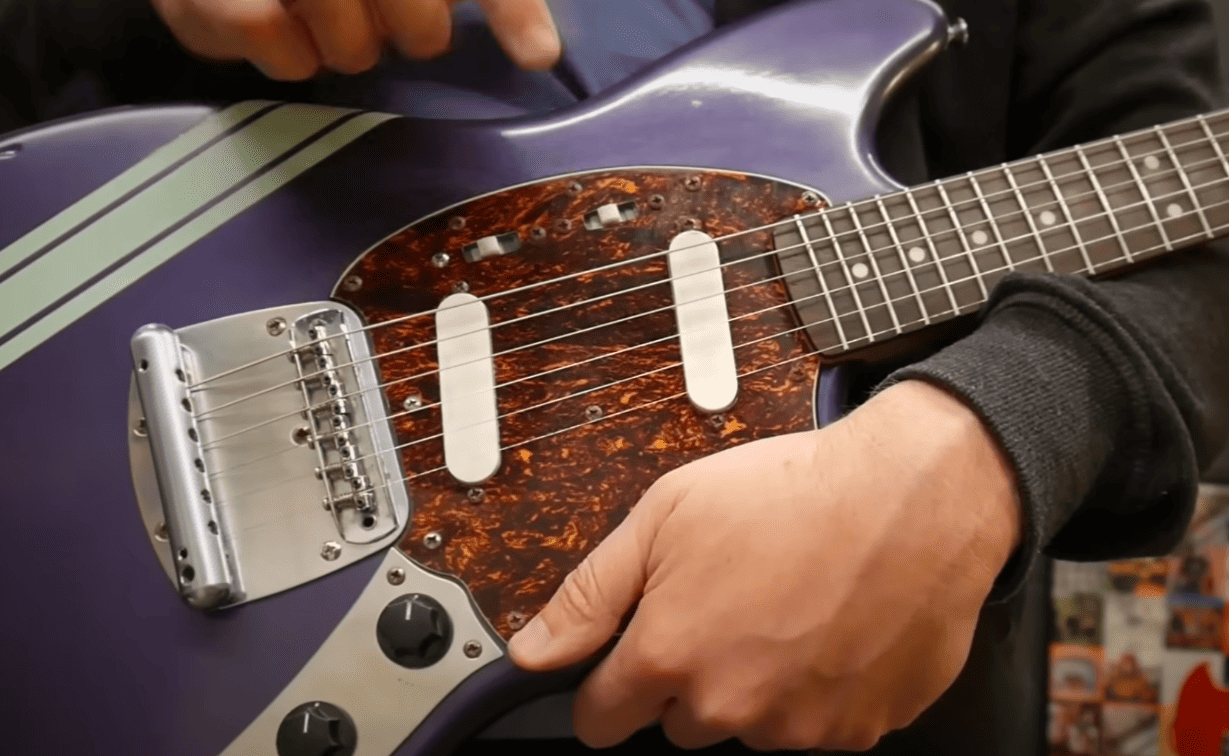
Understanding In-Store Safety and COVID-19 Protocols
A safe shopping environment allows you to focus on what matters: getting a great deal on your gear. The store has implemented comprehensive health measures to protect every customer and staff member.
Health Measures and Customer Guidelines
Following CDC guidance is a top priority for the dealer. Enhanced cleaning routines and readily available hand sanitizer stations are standard. Social distancing markers help manage foot traffic in the retail space.
You can trade your items with confidence. The entire process is designed to minimize contact and maximize safety. Whether you bring a couple of pedals or a vintage amp, staff follow strict protocols.
These steps ensure your visit is both productive and secure. Over the years, the store has adapted to new health standards seamlessly. You will never have to worry about your well-being during a transaction.
| Safety Measure | Description | Benefit to You |
|---|---|---|
| Enhanced Cleaning | High-touch surfaces sanitized frequently throughout the day. | Reduces risk and creates a clean space for your appraisal. |
| Social Distancing | Floor markers and limited occupancy in all areas. | Allows comfortable movement while discussing your deal. |
| Hand Sanitizer | Stations available at entry points and service counters. | Provides easy access to hygiene before handling your music stuff. |
| Staff Training | Employees educated on current CDC guidelines and best practices. | Ensures consistent, knowledgeable service throughout your sale. |
By adhering to these guidelines, you avoid any hassle and can concentrate on the value of your trade. The model of your equipment doesn’t affect these safety steps, but it does influence your final offer. Trading in remains a straightforward path to a discount on a new purchase.
Conclusion
A successful gear transaction balances convenience, fairness, and future potential. The trade process at your local store delivers on all three. You gain immediate value and avoid the long wait of a private sale.
This path works for many people. It covers vintage guitars, modern amps, or a couple of pedals. A little preparation boosts your final offer and potential profit.
Remember to ask about discount offers for a new purchase. This can make your overall deal even sweeter. The entire experience is designed to save you time and hassle.
We hope this guide empowers your next music equipment move. You can now approach your trade with confidence, knowing how to maximize the value of your items.