

Since its 1971 release, that legendary Led Zeppelin track has been played nearly 3 million times on American radio. This number highlights its massive cultural footprint.
For many musicians, learning the iconic opening notes feels like a rite of passage. You pick up an instrument, eager to master a piece of rock history.
Yet, inside a local guitar store, strumming those first chords often earns a playful side-eye from staff. This unspoken rule has become a famous inside joke across the music community.
Our exploration dives into the origins of this curious tradition. We’ll look at why this particular piece causes such a reaction when testing new gear.
Understanding this etiquette helps everyone, from beginners to seasoned players, navigate the retail space with respect and a smile.
Key Takeaways
- The Led Zeppelin classic achieved enormous radio play, cementing its status in popular culture.
- Many aspiring players consider learning its opening riff a significant milestone.
- A well-known, lighthearted taboo exists against playing it in many instrument retailers.
- This phenomenon stems from the song’s overuse and distinctive, repetitive opening.
- Knowing about this custom is part of understanding musician etiquette in public spaces.
- The “ban” is not official but a widespread social norm among players and store employees.
- Respecting this unwritten rule can make your next gear-testing experience more pleasant.
Understanding the Origins of the Ban
A famous scene from a 1990s movie helped cement an unwritten law for guitarists everywhere. This cultural rule finds its most popular reference in the comedy Wayne’s World.

Wayne’s World Influence
In the 1992 film, Mike Myers’ character, Wayne Campbell, walks into a music shop. He spots a sign that reads “NO STAIRWAY TO HEAVEN” before being promptly cut off by a guitar store employee mid-riff.
That moment perfectly captured a shared frustration. It suggested staff had heard that particular piece far too many times.
Real-Life Guitar Store Experiences
While the movie Wayne’s World popularized the gag, real-life sentiment likely existed before. Guitar shop staff have long tales of customers repeating the same few songs.
This led to novelty signs appearing as an inside joke. For over thirty years, this reference has endured.
Most instrument retailers have no official policy. Yet, everyone seems to know the rule. It’s a staple of the guitar store experience.
Exploring Why Is Stairway to Heaven Banned in Guitar Stores
What began as a genuine annoyance for shop employees transformed into a legendary piece of musician folklore. This exploration looks at how a simple, repetitive action birthed a universal inside joke.
The track arrived in 1971 and dominated rock radio. Its constant airplay made the melody instantly recognizable to millions.
The Joke and Its Cultural Roots
Every new player feels a pull to learn that famous opening. It’s a rite of passage for anyone picking up a six-string.
This meant staff in music retailers heard the same notes daily, for years. A shared, humorous frustration was born long before it hit the big screen.
The comedy Wayne’s World gave this feeling a perfect visual gag. The “NO STAIRWAY TO HEAVEN” sign in the movie wasn’t just a funny moment.
It was a cultural shout of solidarity from every clerk who had ever worked in a guitar store.
That scene turned a private gripe into a public meme. The joke became cemented in guitar culture.
Over decades, the rule evolved. It’s now a core part of the identity of music stores everywhere.
You’ll find the ban is more about avoiding overplayed material than any real policy. Understanding this roots the humor in shared experience, not malice.

The Cultural Impact and Meme Culture Behind the Riff
Grouped with other famously overplayed riffs, the piece now represents a musical rite of passage. Its cultural weight ensures nearly every new player attempts it, often in public.
This universal experience forged a unique bond within the music community. The humor stems from a shared, sometimes painful, familiarity.
Overplaying and Its Effects
Hearing the same opening notes played poorly creates a repetitive cycle. Staff and customers alike recognize the pattern instantly.
It joins a shortlist of rock classics that define this phenomenon. The table below highlights a few notorious examples.
| Riff Name | Band | Common Store Reaction |
|---|---|---|
| Smoke on the Water | Deep Purple | Knowing smile or gentle sigh |
| Sweet Child O’ Mine | Guns N’ Roses | Immediate recognition, often followed by a different tune |
| Seven Nation Army | The White Stripes | Nod of acknowledgment, then a quick stop |
The track’s legendary status is defined by its own popularity. This ironic twist fuels the inside joke.
Social Media and Shared Humor
Platforms like Instagram and TikTok amplified the gag globally. Short videos of players being “caught” now spread as memes.
Sharing these clips helps guitarists bond over a common experience. It reinforces a sense of community identity.
This online laughter keeps the tradition alive and well. It turns a local guitar store rule into a worldwide punchline.
Despite all the jokes, the song’s place in rock history remains unshaken. Its influence on how we perceive the instrument is permanent.
The “Stairway to Heaven” Copyright Controversy and Plagiarism Debates
Beyond the lighthearted store ban, a serious legal battle questioned the very origins of the iconic riff. This copyright controversy added a layer of legal intrigue to the song‘s legendary status in music history.
Spirit’s “Taurus” vs. Led Zeppelin
Listen closely to the opening notes. You can hear similarities to the 1968 instrumental “Taurus” by the band Spirit. In 2016, Spirit sued Led Zeppelin, claiming the legendary track was copied.
The lawsuit forced the entire industry to reconsider how artists draw inspiration. It became a hot topic for debate among players in every guitar shop.
This case highlighted how even the most iconic compositions face intense scrutiny over their roots.
Music History and Legal Battles
Multiple juries ultimately found no copyright infringement after several appeals. The courts ruled in favor of Led Zeppelin.
Yet, the debate over originality persists. It remains a significant part of the song‘s complex legacy.
This legal history provides a deeper perspective. It makes the famous riff an even more forbidden topic in some circles of the community.

A Guide to Playing the “Stairway to Heaven” Intro Safely
The journey from novice to proficient player involves mastering certain techniques and social cues. This guide helps you navigate both the musical challenge and the unspoken rules of public spaces.
Assessing the Difficulty Level
Mastering the fingerpicking technique and barre chords presents a significant challenge for beginners. Many guitarists find this complexity a great way to improve their technical skills on the guitar.
Learning those famous opening notes is a true rite of passage. Dedicate time to practicing your sheet music at home before visiting a music shop.
Etiquette Tips for Guitar Store Jams
Guitar store employees hear the same riff repeatedly. Be mindful of the shared space and avoid disrupting other patrons.
- If you are determined to play the song, be aware that staff might ask you to stop playing. This is usually a friendly policy for a pleasant store environment.
- Test gear with your own original riffs. This shows creativity and respect.
- Choose other classic rock pieces like Smoke on the Water for practice. It avoids common pitfalls.
- Being respectful ensures a positive experience while testing new instruments.
Mastering the song is rewarding. Knowing when to play it is just as important as knowing how.
Alternative Riffs and Songs for Guitar Store Testing
There’s a whole world of classic rock beyond the most infamous riff, perfect for trying out gear. Exploring different songs lets you hear how a new guitar handles various tones and styles.
You can build a short list of impressive, less-overplayed rock songs. This approach shows respect for the shared space and your own creativity.
- Sunshine of Your Love by Cream offers a powerful, bluesy riff great for testing amp crunch.
- Pink Floyd’s Wish You Were Here has beautiful acoustic textures that highlight a guitar‘s natural resonance.
- The iconic Smoke on the Water riff remains a simple, effective check for distortion and sustain.
- Riffs from bands like Led Zeppelin, such as “Black Dog” or “Whole Lotta Love,” test versatility without the baggage.
Playing your own original music is perhaps the best method. It showcases your unique talent and immediately sets you apart.
Staff and other customers often appreciate hearing something fresh. It contributes to a more creative and welcoming atmosphere in music stores.
Diversifying your test-play riffs helps you become a more versatile player. You’ll also avoid any potential awkwardness and focus on how the instrument truly sounds.
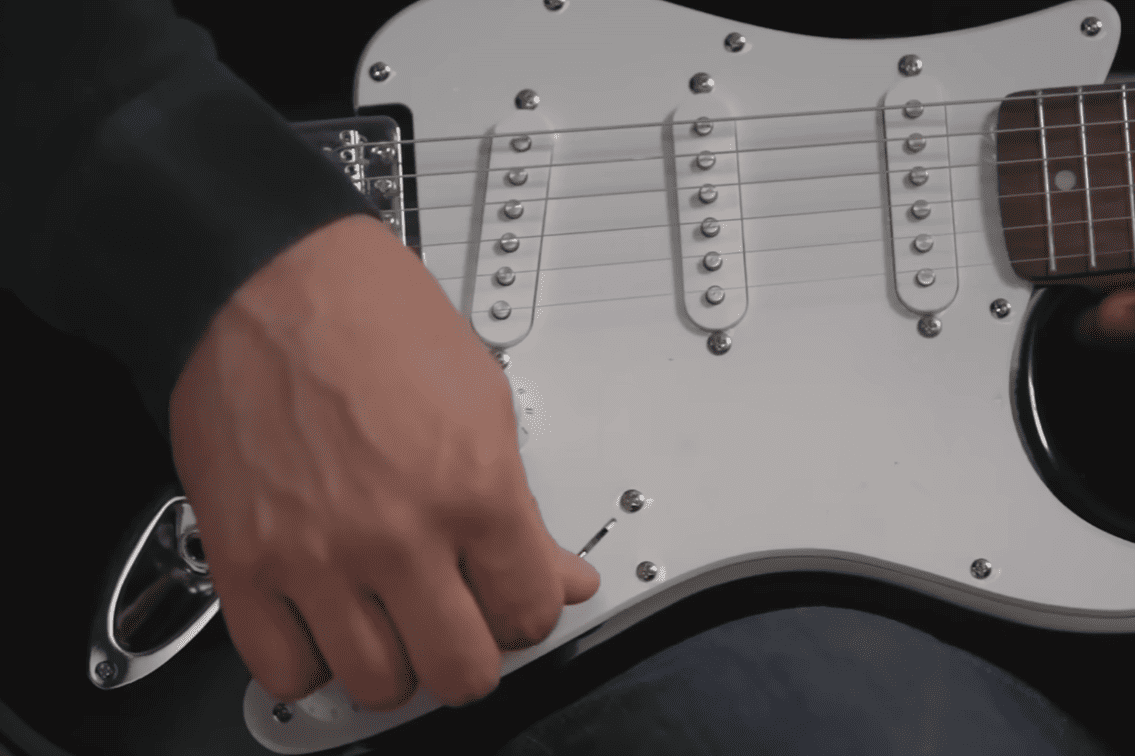
The Real Story Behind the Forbidden Riff – A Personal Connection
My personal journey with the iconic Led Zeppelin riff began at a dusty corner of my childhood home. This connection goes beyond the famous inside joke many players share.
My First Encounter with the Classic Riff
I discovered the stairway heaven piece through a tattered copy of Led Zeppelin Complete by Ethan Neuburg. Its complex fingerpicking patterns fascinated my young mind.
Every evening, I pestered my father and his friends for performances. Their playing fueled my determination for learning it myself.
Mastering those opening notes became a true rite of passage. It gave me confidence for pursuing music as a career.
Even after hearing the song a thousand times, it remains deeply important for me. Its emotional weight never fades.
Visiting Lightnin Joe’s Guitar Heaven within Arroyo Grande offers a unique twist. The shop features a real stairway leading into a museum celebrating the instrument’s history.
It’s humorous that such a popular track is also dreaded by store employees. This shared culture creates bonds among players.
If you’re ever asked to stop playing, remember it’s part of the tradition. Sharing your personal story can connect you with other musicians who’ve spent years practicing similar riffs.
| Age | Milestone | Guitar Used |
|---|---|---|
| 10 | First attempted fingerpicking from songbook | Hand-me-down acoustic |
| 14 | Played full intro for family | Same acoustic |
| 22 | Performed at local open mic | Fender Stratocaster |
| 30 | Visited Lightnin Joe’s Guitar Heaven | Store’s vintage Gibson |
Exploring Curiosities: Backmasking and Supernatural Myths
Urban legends about hidden messages in rock music have swirled for decades, with one track sitting at the center. This song has inspired wild tales beyond the famous guitar store joke.
Satanic Backmasking Tales
In the early 1980s, Christian radio host Michael Mills popularized claims that the Led Zeppelin epic contained satanic messages when played backward. These backmasking accusations spread fear among listeners.
Even Robert Plant grew so tired of the music that he pledged $10,000 to radio station KBOO to stop them from playing the song. This adds a real-world twist to the supernatural myths.
Such stories have seeped into guitar culture. They contribute to the track’s status as a forbidden piece in some shops. Guitarists often chuckle about these tales.
If employees ever ask you to stop playing, you can jokingly blame the backmasking myths for the shop’s strict policy. It’s a lighthearted moment shared among players.
Debunking the Myths
Looking at the sheet music reveals a complex composition with no hidden evil. The riffs are masterful works of art, not supernatural codes.
Studying the sheet music over time shows the stairway heaven piece’s true craftsmanship. Debunking these myths is a fun way to engage with the stairway music history.
Despite the strange stories, this stairway heaven composition continues to define rock for generations. Its legacy is secure, myths and all.

Conclusion
Ultimately, the tale of the forbidden riff is a lesson in shared community humor. The mystery blends overplaying, pop culture, and historical controversy into one legendary inside joke.
This store rule is rarely an official policy. It serves as a playful nudge to diversify your playing in every music shop you visit.
Led Zeppelin created a masterpiece that remains a rock cornerstone. Exploring beyond this classic song helps you discover new riffs and develop your own unique voice.
Remember, music thrives on creativity and exploration. Do not be afraid to try something new when testing gear.
We hope this guide clarified the lore and reality behind the most famous piece in the stairway heaven of rock. Happy strumming on your continued journey.